Scuba Diving in Silfra: Requirements, Depth and What to Expect
A clear guide for certified divers considering Silfra Fissure in Iceland. Learn how the dive differs from snorkeling, what the cold-water conditions are like, which certifications matter, and who this dive is best for.
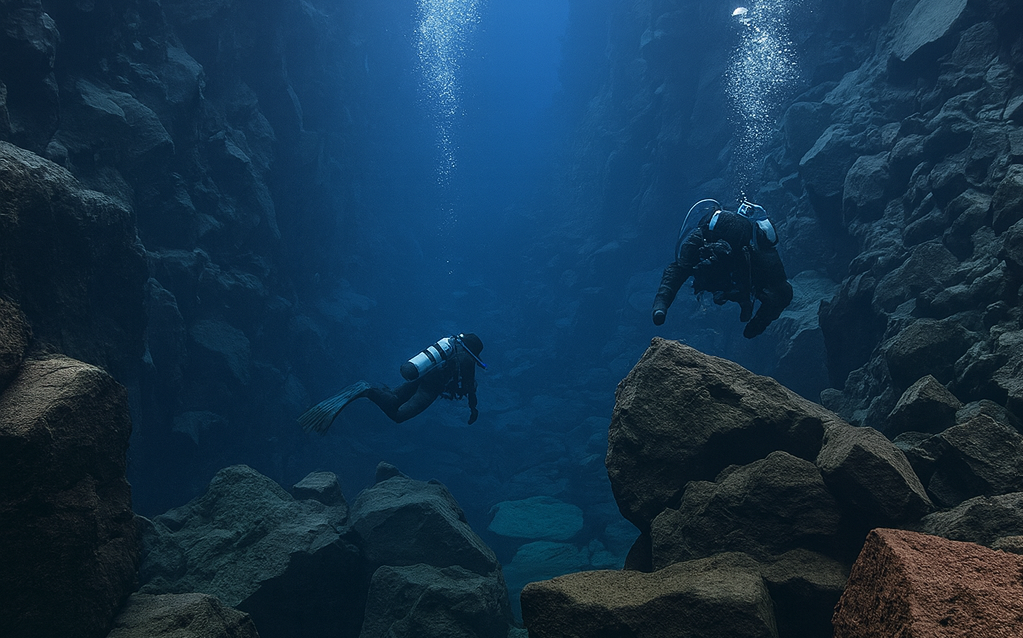
A calm freshwater dive between tectonic plates
Silfra is not about wildlife or depth. It is about crystal-clear glacial water, volcanic rock walls, dry suit control, and a rare underwater geological setting.
Diving in Silfra is a controlled cold-water dive, not a casual sightseeing swim.
Diving in Silfra is an experience that offers a calm but striking cold-water dive. The fissure lies inside Þingvellir National Park, where two tectonic plates slowly move apart. Divers explore a narrow underwater canyon filled with clear glacial water.
Unlike diving in the ocean, Silfra is a freshwater site. There are no waves, tides, or currents, so conditions stay stable throughout the year. Visibility is extreme, often reaching more than 100 meters.
This is still not a casual dive. Cold temperatures, strict rules, dry suit control, and certification requirements shape the experience from start to finish.
Who Silfra diving suits best
Silfra suits divers who value clarity, geology, calm conditions, and careful control. It is less suited to divers looking for wildlife, warm water, strong currents, or adrenaline.
Diving gives the fissure more depth, structure and scale.
Snorkelers float at the surface, while divers descend into the fissure. That changes how the rock walls, chambers, light and distance feel underwater.
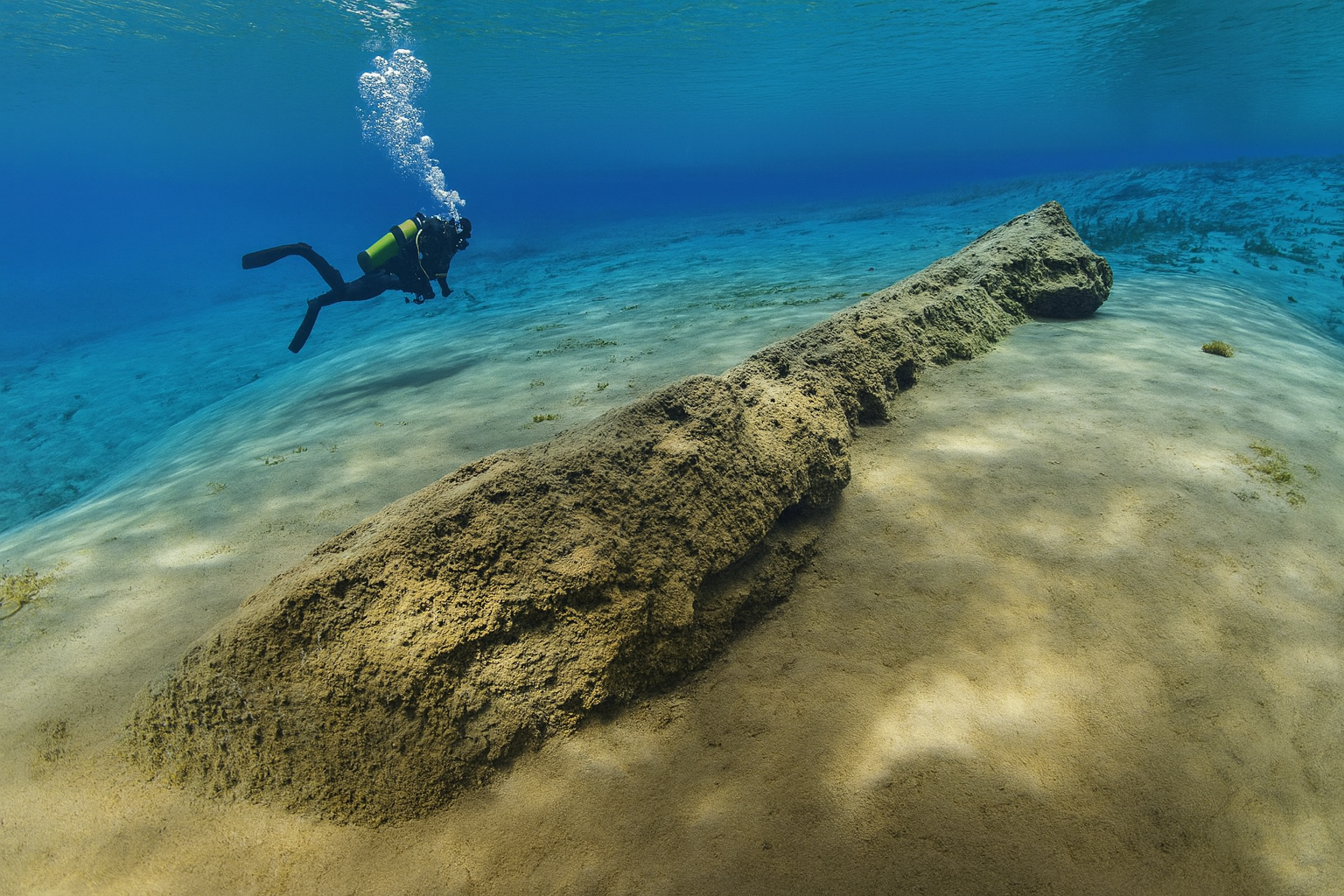
At depth, the fissure feels more three-dimensional. Rock walls look taller, details become clearer, and light changes as the route moves between narrow and open spaces.
More movement
Divers can descend and move through sections that feel much larger than they appear from the surface.
More preparation
Diving requires certification, dry suit preparation, additional equipment, and more time on site.
More control
Buoyancy, trim and calm movement matter more because the site is cold, clear, protected and guided.
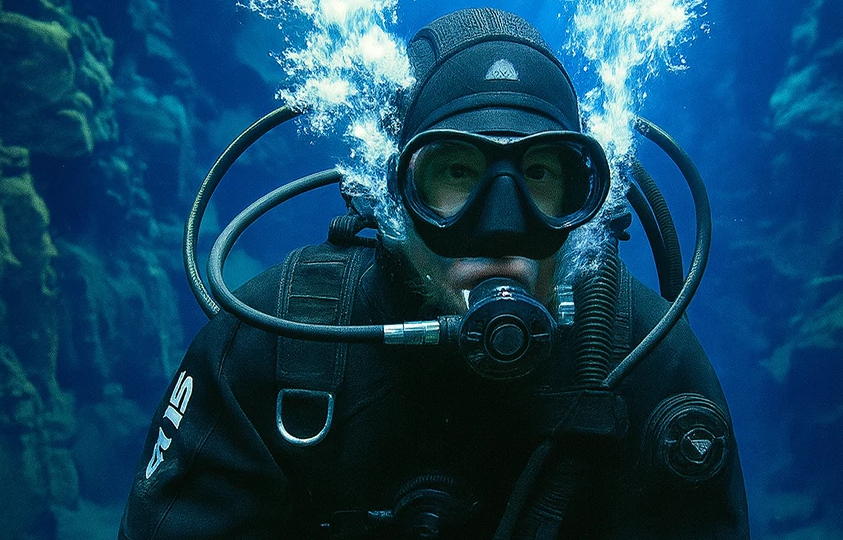
Dry suits, thermal layers, thick gloves, hoods and cold-water-rated regulators are part of the Silfra diving setup.
Silfra is not especially deep, but the visibility makes it feel vast.
Silfra is not a deep dive. Maximum depth is usually around 18 meters, or 60 feet, depending on the section visited. Even so, the site feels open because visibility is so high.
The water comes from glacial melt filtered through lava rock for decades. Because of this natural filtration, particles are almost absent, and divers often feel like they are flying rather than swimming.
Water temperature stays between 2°C and 4°C year-round. Cold exposure usually limits dive time more than air use, so dives are planned conservatively.
Silfra diving is for certified divers only.
At minimum, divers need an Open Water certification from a recognized agency. Most operators also require dry suit certification or proof of recent cold-water dry suit experience.
- Recognized Open Water certification or equivalent.
- Dry suit certification or proven dry suit experience.
- Good buoyancy control in cold freshwater conditions.
- Ability to follow guide instructions throughout the dive.
Cold water adds physical stress.
Divers must meet basic health standards because cold water, dry suit seals, heavy equipment and low temperatures make the activity more demanding than warm-water sightseeing dives.
All dives are guided, and independent diving is not allowed in the protected fissure.
Dry suit control is central to the dive.
Dry suits keep the body dry while thermal layers provide insulation. They also affect buoyancy, which is why training or recent experience is important.
Dry suits are mandatory in Silfra. Thick gloves and hoods are also standard because hands and head lose heat quickly in 2-4°C water.
Steel tanks are often used because freshwater requires more weight for balance. Regulators must be rated for cold water to reduce freeze risk, and personal equipment may be checked before the dive.
Most operators provide the major equipment, but experienced divers may prefer to bring a familiar mask or other approved personal items.
Dry suit
Keeps water out and adds buoyancy, which must be managed carefully throughout the route.
Thermal layers
Insulation comes from the clothing worn underneath the dry suit, not from the suit shell alone.
Cold-rated gear
Regulators and other equipment must be suitable for very cold freshwater conditions.
Silfra is protected, so the dive is strictly regulated.
Silfra lies within a protected area. Only licensed operators may run tours, routes are controlled, and divers are expected to protect the fragile environment.
Guided routes
Guides control entry points, routes, group spacing and exit timing to keep the dive safe and organized.
No touching
Divers should avoid touching rock walls, algae or the bottom. Good buoyancy protects the fissure and preserves visibility.
Limited groups
Group sizes are limited, which helps reduce impact and keeps the experience calm for certified divers.
Choose the season for travel comfort, not water clarity.
Silfra is open year-round. Because the water temperature stays constant, underwater conditions change little between seasons. Surface conditions vary more than the dive itself.
Summer offers easier access and longer daylight. Winter adds snow, ice and a more dramatic surface setting.
Know what Silfra is and what it is not.
- Pros: exceptional visibility, calm water, rare geology.
- Pros: no waves, tides or currents inside the fissure.
- Cons: very cold water limits comfort and dive time.
- Cons: no fish or marine-life focus.
Is scuba diving in Silfra right for you?
Silfra is ideal for certified divers who enjoy controlled, peaceful dives and want to experience unmatched visibility in a dramatic geological setting. It rewards patience, buoyancy control and attention to detail rather than depth, speed or marine life.